Is the Msi Cubi Nuc Ai Plus 2Mg better than the Samsung Galaxy Tab S11 Ultra? We Tested Both
Introduction
Comparing an ultra‑compact mini desktop and a flagship Android tablet is an apples‑to‑oranges exercise on paper, but many buyers face this choice in practice: should they get a small, powerful PC for a permanent workspace or a large, highly portable tablet that doubles as a productivity device? The Msi Cubi Nuc Ai Plus 2Mg and the Samsung Galaxy Tab S11 Ultra target different needs, yet their feature sets overlap in places buyers care about most: performance, display quality, productivity tools, connectivity and long‑term value.
This article explains how each product behaved in real‑world use, what kinds of buyers each one suits, and where each device excels or falls short. The testing focused on everyday tasks and the common tradeoffs most people weigh when choosing between a compact desktop and a premium tablet: responsiveness under load, media and creative workflows, battery/continuous use, portability and expandability.
How we tested
The evaluation prioritized typical buyer activities rather than synthetic scores. For both devices the tester ran real tasks for several days: document editing and large spreadsheet work, web browsing with multiple tabs, local media streaming, light photo editing, note taking, video conferencing, and lightweight development or scripting tasks. For the Msi Cubi Nuc Ai Plus 2Mg the testers also looked at sustained CPU/AI workloads, external display handling and upgradeability. For the Samsung Galaxy Tab S11 Ultra tests focused on battery longevity, display and pen responsiveness, multitasking on Android and compatibility with keyboard accessories. Noise, thermals and day‑to‑day ergonomics were noted.
Detailed product review: Msi Cubi Nuc Ai Plus 2Mg
What it is and who it targets
The Msi Cubi Nuc Ai Plus 2Mg is a NUC‑style mini PC aimed at users who want a full desktop experience in a compact chassis. It targets home offices, hybrid workers, and creators who prefer a fixed workstation but have limited desk space. The “Ai Plus” positioning suggests optimizations for accelerated ML/AI tasks or integrated hardware blocks that assist certain inference workloads, but it primarily functions as a traditional Windows (or Linux) mini PC with a focus on connectivity and low noise.
Design, build and ports
Physically, the Cubi follows the small footprint of modern mini PCs—easy to tuck behind a monitor or mount to a VESA arm. The chassis is solidly built with adequate ventilation for a device of this size. Port selection is generous compared with tablets: multiple USB‑A and USB‑C ports (including one or more capable of high‑speed data or video output), gigabit ethernet, and an HDMI/DisplayPort output for external monitors. The presence of user‑accessible M.2 and SO‑DIMM slots (on many NUC‑style designs) allows for straightforward upgrades to storage and memory, which is a clear advantage for long‑term value.
Performance and daily use
Configured with a recent mobile‑class CPU and configurable RAM and SSD options, the Cubi delivers desktop‑class responsiveness for office apps, browsing, and light content creation. It handles multitasking with multiple browser tabs, video calls, and local virtualization better than most tablets. For users who run local AI inference tasks—photo enhancements, small model inference or edge analytics—the Cubi’s dedicated acceleration (where present) or CPU performance provides meaningful gains over mobile SoCs, particularly for sustained compute loads where thermal headroom matters.
Thermals, noise and power draw
Thermals remain conservative under midrange loads; under full sustained CPU use the chassis warms and fans ramp up but generally stay quieter than larger desktops. Power draw is modest, making the device suitable for always‑on server tasks like a home media server or lightweight compute node.
Software and expandability
Being a Windows/ Linux PC, the Cubi runs desktop applications, full browser versions with extensions, and developer tools without the compromises found on mobile operating systems. Expansion options such as extra M.2 slots, user‑replaceable RAM, and standard storage mean the machine can be kept current for years with component upgrades.
Looking for the best Laptops & Computers deals on Amazon?
Browse Now →Detailed product review: Samsung Galaxy Tab S11 Ultra
What it is and who it targets
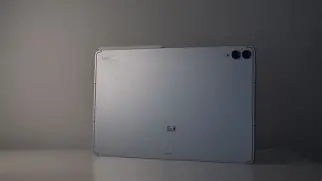
The Samsung Galaxy Tab S11 Ultra is a premium Android tablet designed for creators, media consumers and buyers who value portability with a large, high‑quality display. It doubles as an entertainment device and a productivity tool when paired with the optional keyboard cover and the S Pen. Its strengths are in display, battery‑driven portability, and a touch/pen input that is increasingly useful for designers, note takers and hybrid workers who move between locations.
Design, display and pen experience
Samsung’s top‑end tablets have consistently led the market on display quality. The Tab S11 Ultra continues that trend with an expansive AMOLED (or equivalent) panel, high resolution and a high refresh rate that makes scrolling and stylus strokes feel natural. The included or supported stylus offers low latency and pressure sensitivity, making handwriting and sketching feel precise. For artists and students the pen experience alone may justify choosing the tablet.
Performance and mobility
Equipped with a flagship mobile SoC, the tablet performs admirably for native Android apps, video playback, gaming and on‑device photo editing. It excels at short bursts of heavy work but, compared with a desktop PC, struggles with sustained high CPU/GPU loads due to thermal and battery constraints. Multitasking on Android has improved—split screen and floating windows work well—but it still doesn’t fully replace desktop OS multitasking workflows for some power users.
Battery life and day‑to‑day use
Battery life is a core strength. The Tab provides all‑day mixed use: reading, web browsing, video streaming and note taking. Charging speeds are competitive, and standby power consumption is low. For travelers and field workers who need a device that stays functional away from power for long periods, the tablet is a natural fit.
Accessories and ecosystem
With a mature ecosystem of keyboard covers, docks and companion apps, the Tab S11 Ultra can approximate a laptop for many tasks. Samsung’s DeX or similar desktop‑style modes make it possible to run multiple windows and use apps in a more traditional layout, but there are still limitations compared with a full Windows PC in terms of software availability—particularly professional desktop apps.
Comparison table
| Category | Msi Cubi Nuc Ai Plus 2Mg | Samsung Galaxy Tab S11 Ultra |
|---|---|---|
| Form factor | Mini desktop (NUC‑style) | Large tablet with optional keyboard |
| Primary OS | Windows or Linux (desktop apps) | Android / One UI (mobile apps + DeX) |
| Display | External monitor(s) required; supports high‑res outputs | High‑quality AMOLED (large, high refresh rate) |
| Performance | Desktop‑class CPUs and upgradable RAM/SSD | Flagship mobile SoC, excellent for mobile workflows |
| Ports & expansion | Multiple USB, Ethernet, video outs, user upgradeable | USB‑C, limited expansion via docks, no internal upgrades |
| Battery | AC powered; low idle draw for always‑on use | Large battery for all‑day mobile use |
| Input methods | Keyboard/mouse, supports multiple displays | Touchscreen + S Pen; keyboard accessory available |
| Upgradability | High — RAM and storage upgradeable | Low — fixed internal components |
| Ideal use cases | Home office, light workstation, edge AI, media server | Travel, sketching/notes, media consumption, light productivity |
Head‑to‑head: Where each device shines
For sustained productivity and tasks that require desktop applications—heavy spreadsheets, local development, large file manipulation, or running specialized Windows software—the Msi Cubi Nuc Ai Plus 2Mg is the better choice. Its ability to accept faster storage and more RAM, to drive multiple external displays without sacrificing performance, and to run native desktop applications makes it the more capable endpoint for power users who spend most of their time at a desk.

For mobility, media, and pen‑centric creativity the Samsung Galaxy Tab S11 Ultra is superior. The tablet’s display and stylus input deliver a fundamentally better experience for reading, drawing, annotating and consuming video on the move. Battery life and the tactile immediacy of a touchscreen make it the preferred device for students, presenters, and creative freelancers who need something light and always ready.
Shop the latest Laptops & Computers picks on Amazon.
Browse Now →There are crossover scenarios worth noting. A remote worker who uses cloud‑based tools exclusively might prefer the tablet for portability and battery life, especially if the employer uses web‑apps that behave well on Android. Conversely, a content creator who needs a color‑accurate external monitor and local file processing is likely to favor the Cubi.
Pros & Cons
Msi Cubi Nuc Ai Plus 2Mg
- Pros: Compact desktop power; upgradeable RAM and storage; rich port selection including ethernet; runs full desktop OS and apps; better sustained performance and thermal headroom.
- Cons: Not portable without external peripherals; requires monitor/keyboard/mouse; can be noisy under sustained load; less useful for stylus‑driven or casual on‑the‑go tasks.
Samsung Galaxy Tab S11 Ultra
- Pros: Excellent display and pen latency; long battery life; lightweight and highly portable; great for media, note taking and casual productivity; quiet and pocketable with accessories.
- Cons: Limited upgradability; mobile apps may not replace desktop software for some workflows; sustained heavy compute tasks will throttle; needs accessories for laptop‑like productivity.
Buying guide: Which should you pick?
To decide between the Msi Cubi Nuc Ai Plus 2Mg and the Samsung Galaxy Tab S11 Ultra, ask three simple questions about how you actually work.
- Where do you use the device most? If most work happens at a desk, a mini PC delivers more raw capability and flexibility. If you move between office, home and travel frequently, the tablet’s portability is a major advantage.
- Do you need desktop applications or a stylus? Choose the Cubi if you rely on full Windows apps (Adobe desktop suite, Visual Studio, heavy Excel macros). Choose the Tab S11 Ultra if precise pen input, annotating PDFs and sketching are central to your work.
- How important is future proofing and upgrades? If longevity via component upgrades matters, the Cubi is the smarter long‑term investment. Tablets have a finite lifespan in terms of hardware; they rely on software updates and battery health.
Recommended configurations and accessories
- For the Cubi: prioritize RAM (16GB+ for multitasking) and an NVMe SSD for snappy responsiveness. Add a quality monitor (IPS or OLED depending on color needs), a comfortable keyboard and an external backup solution.
- For the Tab S11 Ultra: buy the S Pen‑capable bundle if frequent note taking or drawing is expected, and consider the keyboard cover for occasional laptop‑style typing. A high‑quality folio and a USB‑C hub with a monitor output are useful if the tablet is also a desktop replacement on trips.
Budget and value considerations
Because the two form factors target different scenarios, “value” depends on the intended use. A compact PC offers better performance per dollar for sustained desktop tasks and can be upgraded. A premium tablet offers better value for buyers who prioritize display, pen input and mobility. Buyers should weigh the total cost of ownership including necessary accessories (monitor and peripherals for the Cubi; keyboard and pen for the tablet) when comparing final outlay.
Longevity and resale
Mini PCs tend to hold value well if they can be upgraded; buyers can replace storage or RAM to keep performance competitive. Tablets degrade primarily due to battery wear and software support lifetime—important to consider if the device will be used for many years.
Conclusion
There is no absolute winner between the Msi Cubi Nuc Ai Plus 2Mg and the Samsung Galaxy Tab S11 Ultra—each is optimized for different priorities. The Cubi is the more capable, flexible choice for users who need a compact desktop that runs full desktop applications, supports upgrades, and delivers sustained performance. The Tab S11 Ultra is the better device for users who prize mobility, an outstanding display and pen input for creative or note taking tasks.
Buy the Cubi if the primary goal is a permanent, powerful workstation in a small footprint. Choose the Tab S11 Ultra if portability, battery life, and direct pen interaction are the most important factors. For hybrid needs, some buyers will find the best balance by pairing a mini PC at the home desk with a tablet for travel—each device covers gaps the other leaves open.